CONCERNS WITH SPRAY FOAM?
Spray Foam Insulation Roof Surveys
Independent Inspection & Professional Advice
Spray foam insulation has been widely installed in UK homes over the past decade as a method of improving energy efficiency. However, when applied to pitched roofs, particularly older timber structures, it can lead to significant concerns regarding ventilation, moisture retention, and the long-term condition of roof timbers.
Mortgage lenders, surveyors, and property buyers are increasingly cautious about properties where spray foam insulation has been installed. In some cases, lenders may require specialist inspection or even removal before approving a mortgage.
At Spotlight Surveys, we provide independent professional assessments of properties where spray foam insulation has been installed within the roof structure.
If your property has spray foam insulation within the roof, early professional advice can help avoid delays in property transactions and identify any potential issues.
Contact Spotlight Surveys today to arrange an inspection.
Arrange a Spray Foam Roof Inspection
Frequently Asked questions
What is spray foam insulation?
Spray foam insulation takes several different forms (closed cell and open cell), and has been applied retrospectively to roofs to provide better insulation. As an unregulated industry, the spray foam has been, in most instances, applied without much thought to the way in which a pitched roof structure works.
A pitched roof structure relies on ventilation to remove moisture from the property, which is created during normal use (cooking, showers, cleaning etc). Spray foam insulation is typically applied to the underside of the felt and roof joists, which prevents this ventilation and makes moisture defects more likely. In addition to the presence of the moisture, the timbers cannot be checked as they are covered by the foam.
Should I remove Polyurethane foam Insulation?
As well as restricting the visibility of the timbers, if any defects to the felt occur, instead of being visible internally and causing a leak, this will be held around the timbers, causing them to decay from the top, unseen section.
Open cell is more breathable, which reduces the likelihood of defects by comparison; however, in the first instance, an assessment should be made by a suitably qualified surveyor. There is a minimal amount of detailed guidance, the best we found has been produced by the Property Care Association (PCA) and the Health and Safety Executive (HSE), however, the Royal Institution of Chartered Surveyors (RICS) also provides some limited guidance.
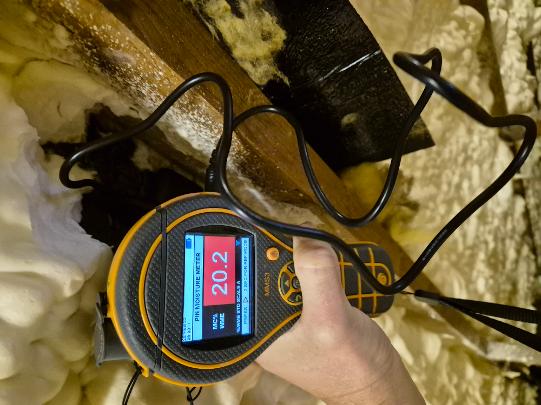
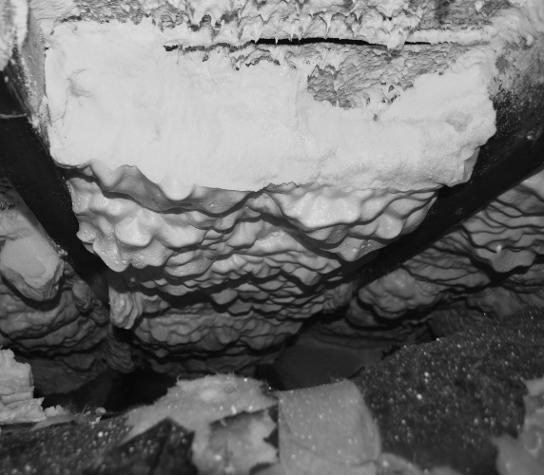
The Problem
When spray foam insulation is applied to a roof, it can trap moisture and hide timber decay that isn't visible on the surface. After removal, a surface assessment will highlight any immediate concerns, however, the timbers can rot from the inside out, making damage impossible to completely assess from the surface. This is due to the only surface allowing moisture to enter and escape is from the top, uncovered section, and not the visible surfaces.
Being unregulated, various contractors allow for the installation and removal to standards which may not be acceptable.
If you’ve recently had spray foam removed, normally highlighted during a property sale, it’s crucial to assess the quality of this removal as well as the structural integrity of the roof timbers as accurately as possible to ensure the roof structure will not need replacement.
Who Needs This Service?
- Homeowners who have spray foam insulation
- Homeowners who’ve had spray foam insulation removed
- Buyers or sellers needing a roof timber condition report
- Surveyors or property professionals requiring structural timber analysis
- Anyone concerned about roof timber decay or hidden wood rot
Our Service
Our post foam removal assessment service includes:
- An external assessment of the roof covering (inclusive of flashings).
- An assessment of the foam.
- A visual assessment of the roofing felt
- A visual assessment of any exposed timbers and any gable end walls.
- Use of the electrical resistance meter to highlight (for a report) visually damp timbers
This will take the form of a report which:
- Describes the property
- Highlights observations
- Makes an analysis
- Provides recommendations
- Appendix, which includes raw data from the site survey (pertinent photographs, resistograph data, site notes and drawings)
Spray Foam insulation survey cost
The cost of the survey, from our Chartered Surveyor, starts at £600 + VAT.
© Copyright Spotlight Surveys